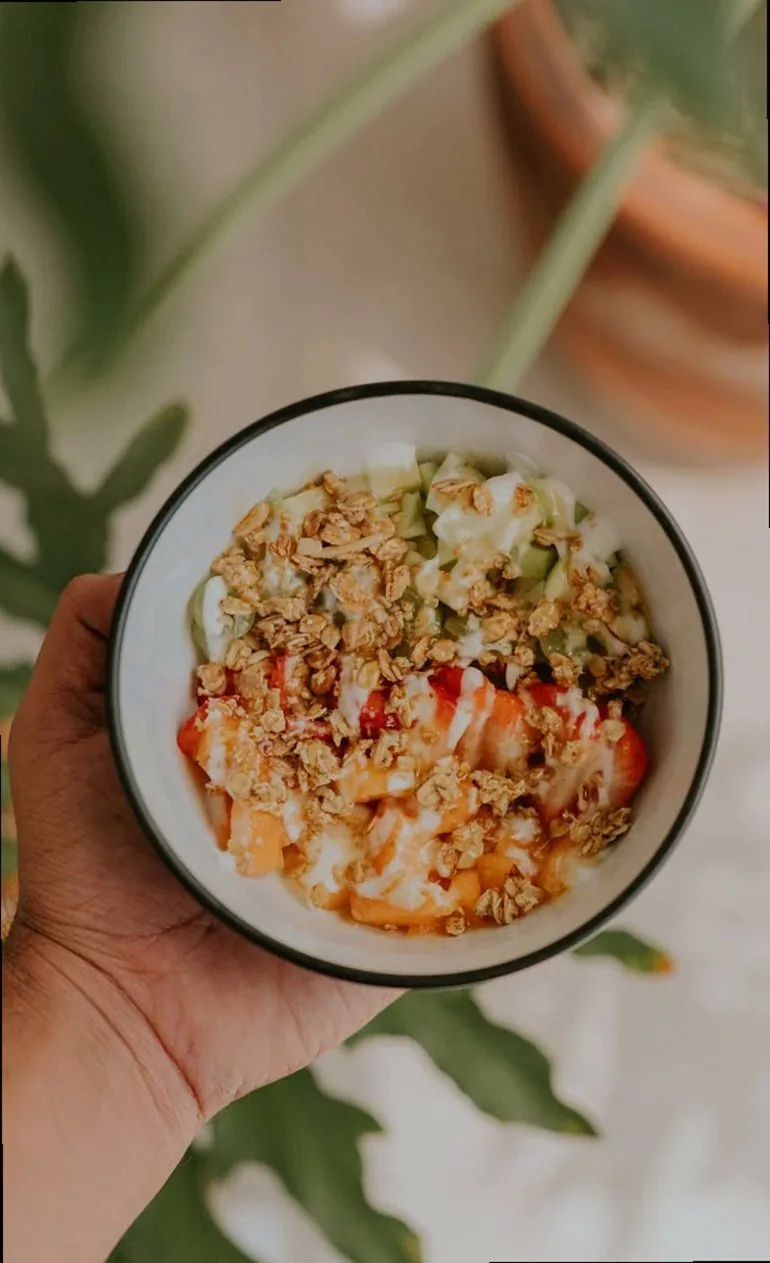
Granola worth slowing down for
Cedar Vaultline makes small-batch granola in Setagaya, Japan. Each blend is roasted in a single convection oven, in batches of twelve kilograms, and shipped within three days of baking.
→Read more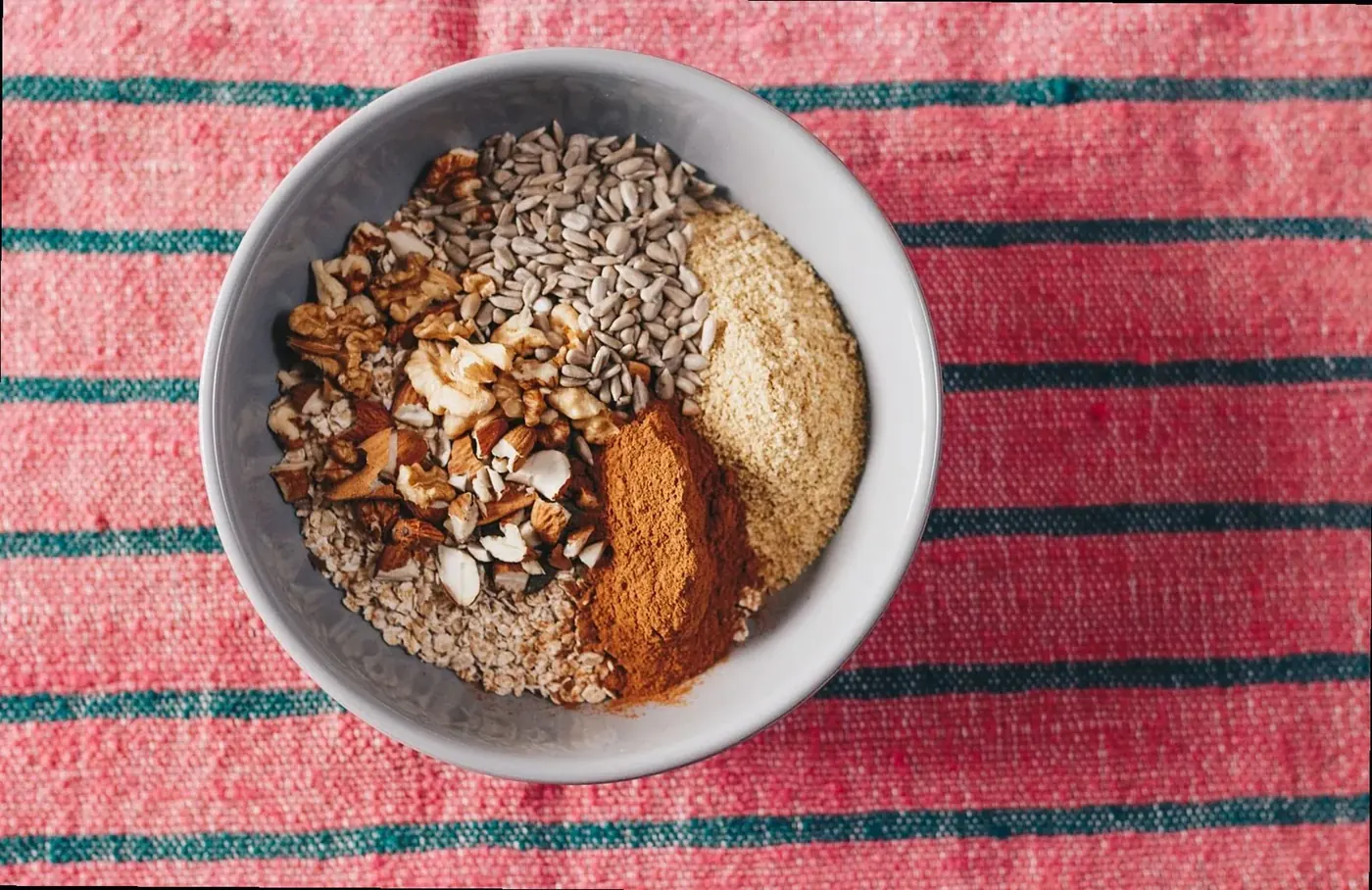
Cedar Vaultline makes small-batch granola in Setagaya, Japan. Each blend is roasted in a single convection oven, in batches of twelve kilograms, and shipped within three days of baking.
→Read moreSmall-batch granola, made slowly in Japan
Haruki Nishimura spent seven years as a pastry chef at a hotel in Yokohama before he started making granola on a Sunday afternoon in 2017. He had been dissatisfied with every commercial granola he could find in Japan: too sweet, too uniform, baked at temperatures that drove off the oils before they could do anything interesting. He bought a second-hand convection oven from a retiring baker in Zushi, carried it up three flights of stairs, and spent the next four months testing ratios of oats, kokuto, and sesame oil until the apartment smelled the way he wanted it to smell.
The name Cedar Vaultline came from a notebook sketch Haruki made in the winter of 2017. He was thinking about the way a cedar barrel holds whisky. The wood breathing slowly, the contents changing over months. He wanted the brand to carry that same sense of patient transformation. The first proper batch sold out at a Setagaya farmers market in March 2018. He had made 30 bags. By June of that year he had moved production into a licensed food-preparation kitchen in Ofuna and hired one part-time assistant. The current team is three people, and the kitchen is still in Ofuna.
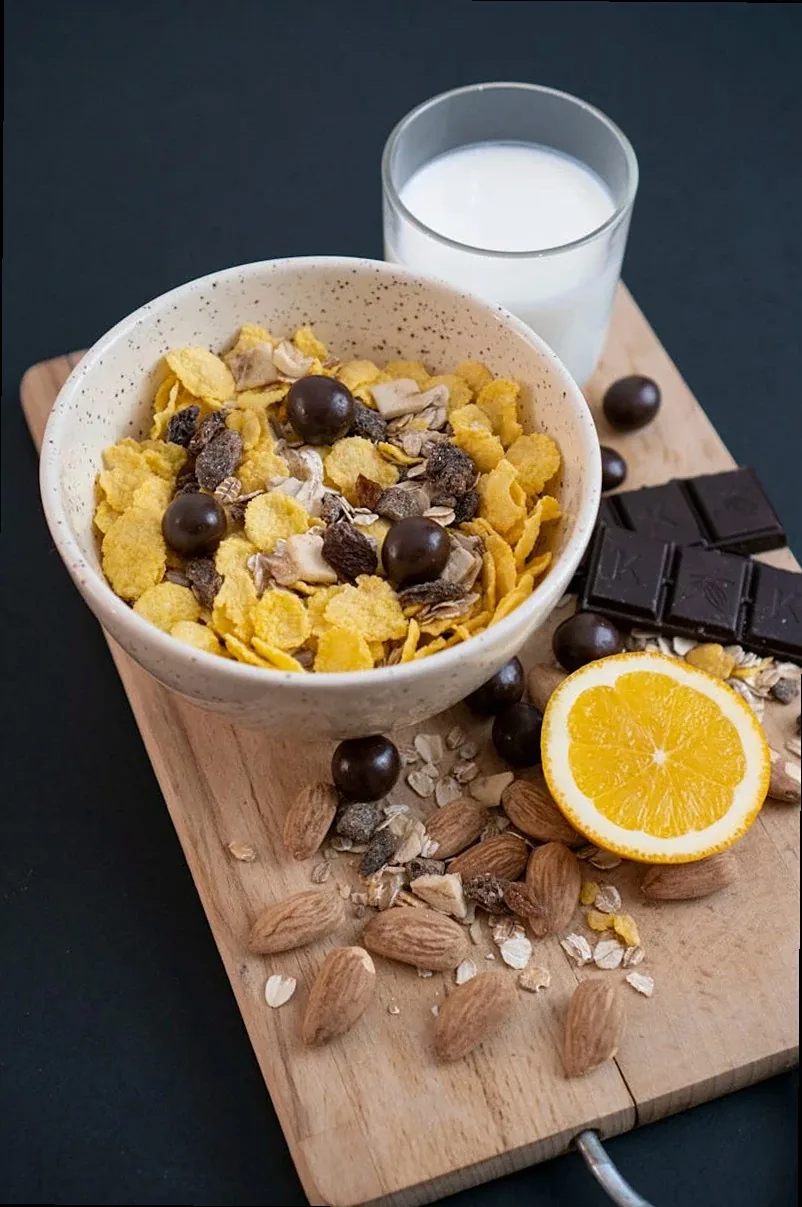
Today Cedar Vaultline ships to customers across Japan and to a small number of wholesale accounts in Tokyo, Kyoto, and Sapporo. The range has grown from two blends to seven, with one or two limited seasonal roasts each year. Haruki still does the final quality check on every batch himself, tasting from a small ceramic bowl he bought at a Setagaya pottery stall in 2018. The bowl has a chip on the rim now. He has no plans to replace it.
Established since 2018 · 〒114-0024 Tokyo, Kita Ward, Nishigahara, 1-46-19
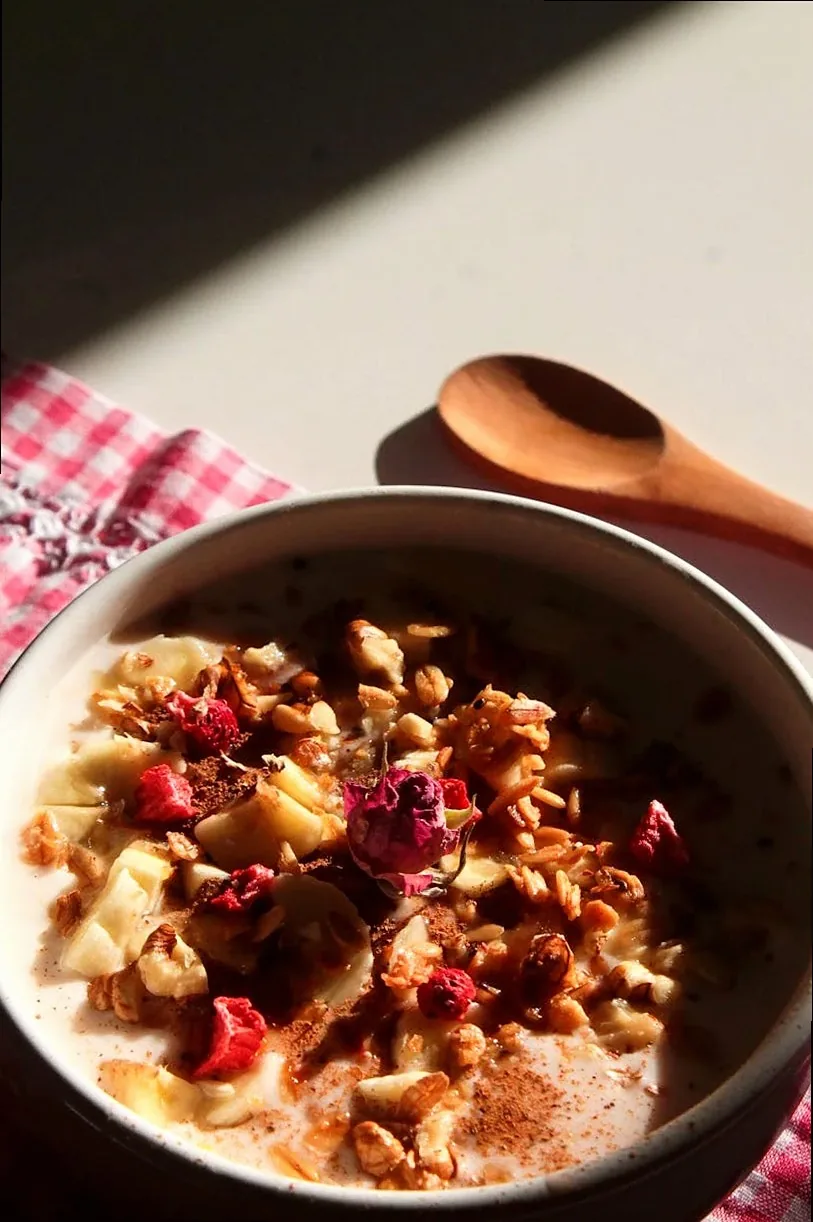
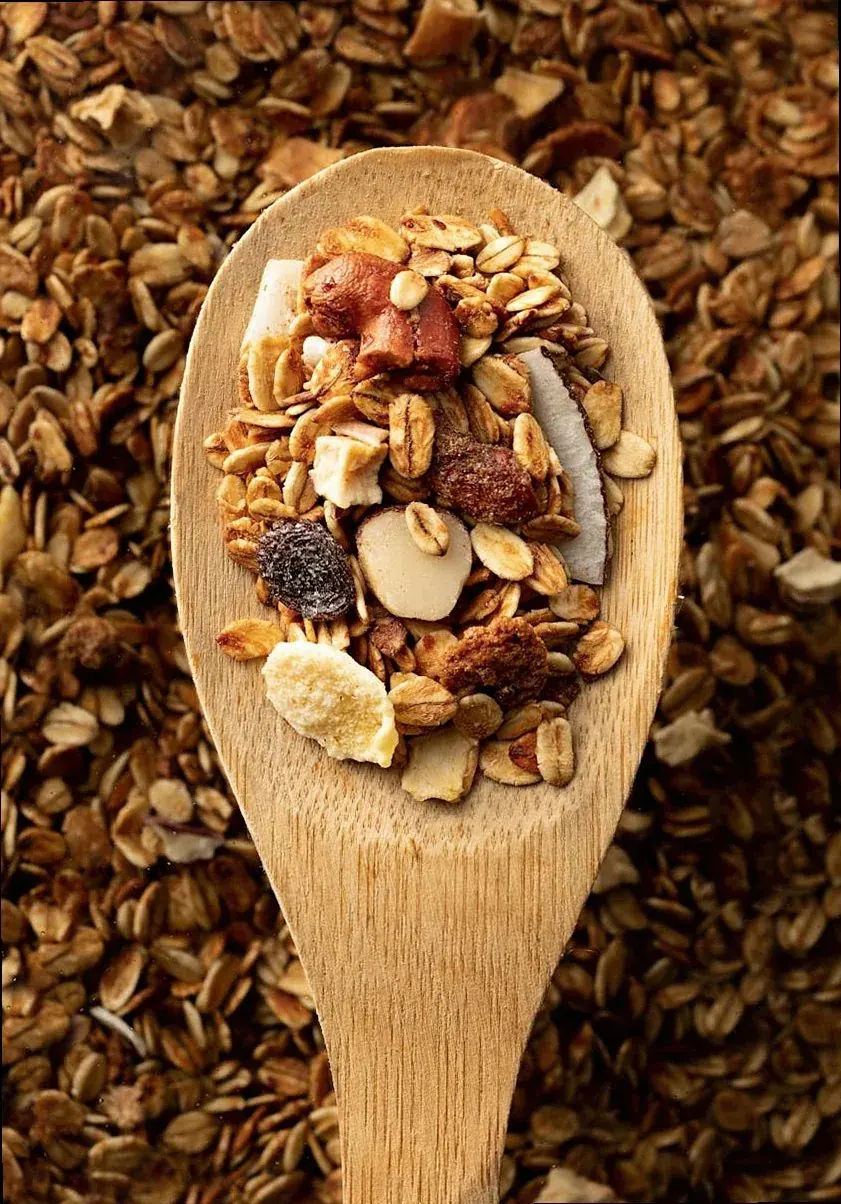
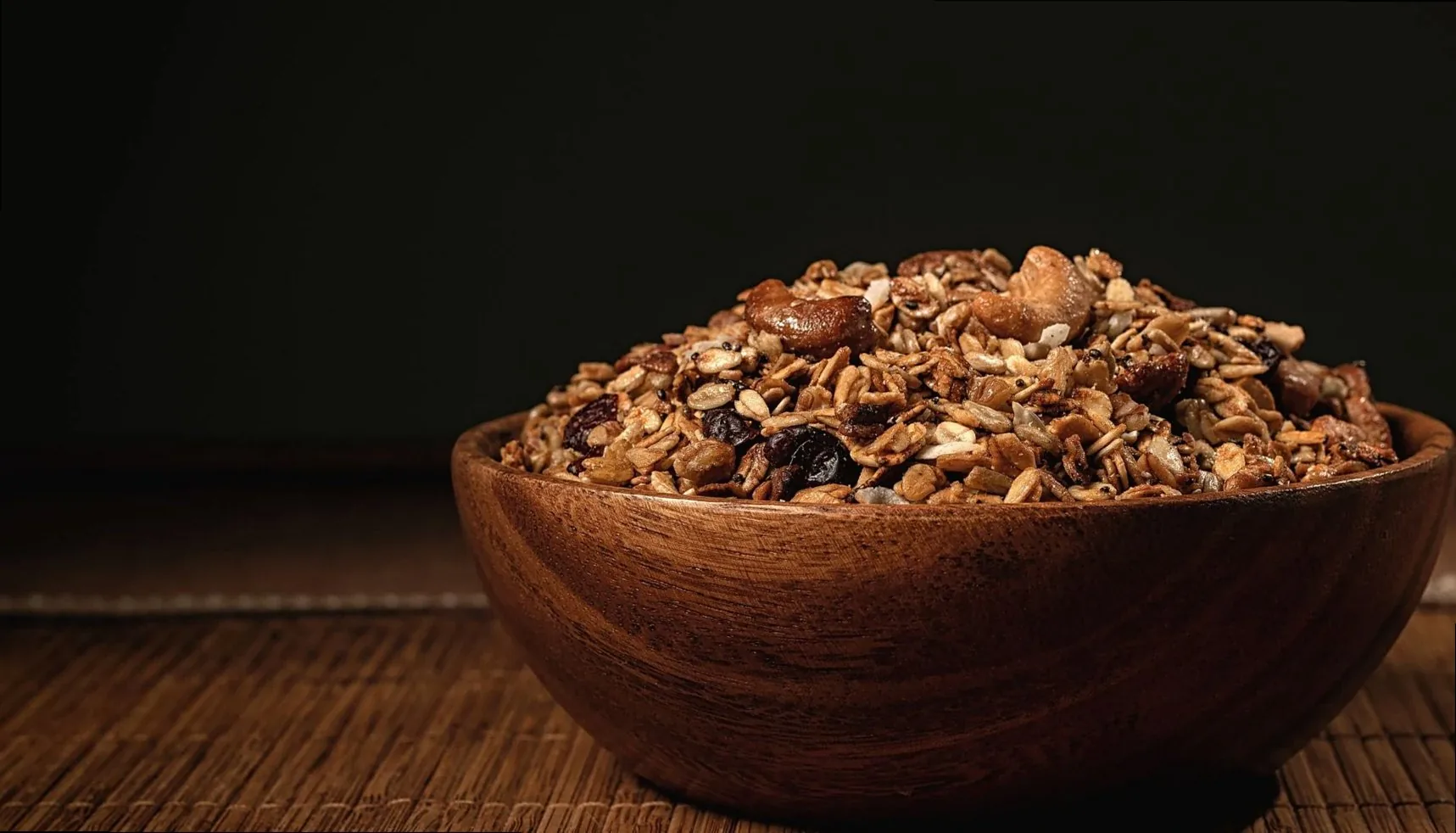

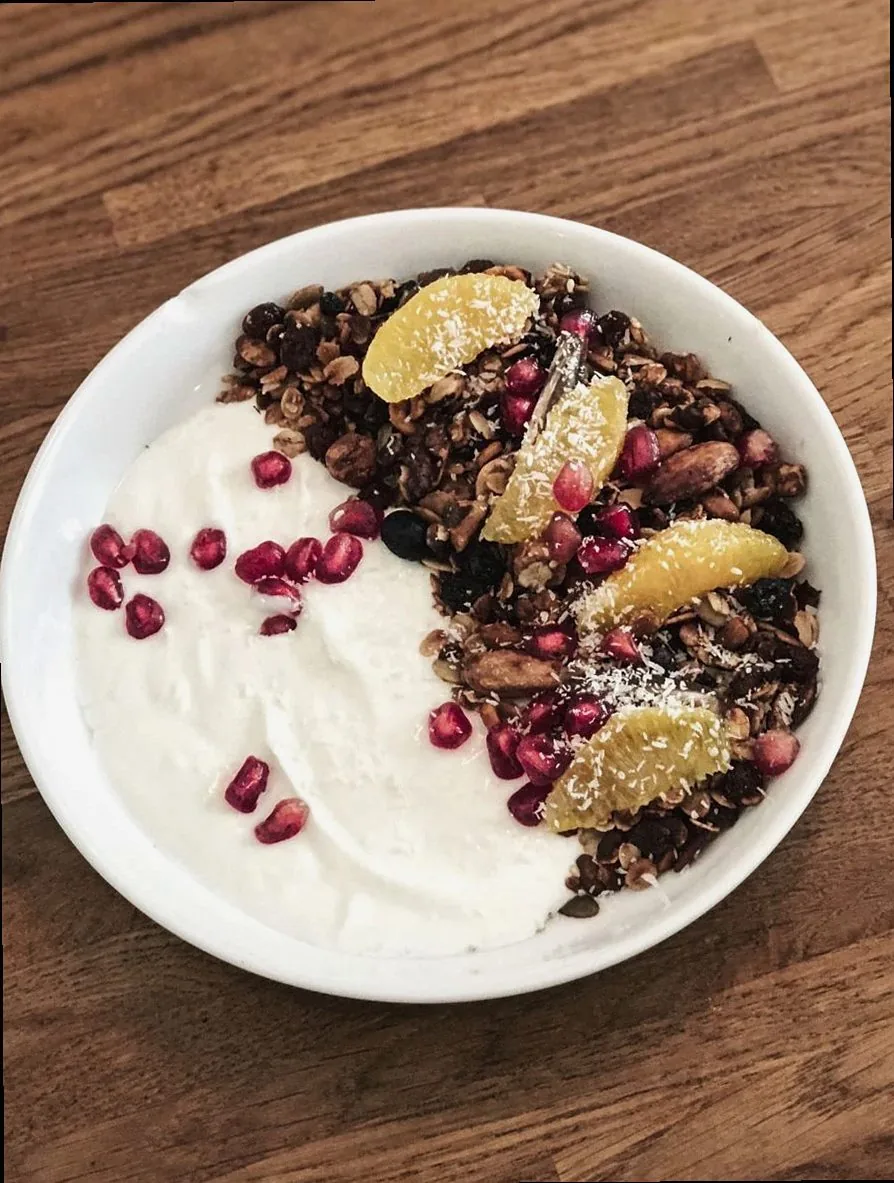
Every batch goes through one convection oven at 155°C for exactly 28 minutes. No conveyor belts, no industrial dryers. The colour you see in the bag is the colour it came out of that oven.
We source rolled oats from Tanaka Grain Farm in Bibai, Hokkaido. The farm has been growing oats on the same volcanic-soil plots since 1971, and we have bought from them every season since 2019.
We sweeten with raw Okinawan kokuto (black sugar) and cold-pressed sesame oil from a small press in Kyoto. The result is a low-glycaemic roast that does not spike and crash.
Today Cedar Vaultline ships to customers across Japan and to a small number of wholesale accounts in Tokyo, Kyoto, and Sapporo. The range has grown from two blends to seven, with one or two limited seasonal roasts each year. Haruki still does the final quality check on every batch himself, tasting from a small ceramic bowl he bought at a Setagaya pottery stall in 2018. The bowl has a chip on the rim now. He has no plans to replace it.
I still taste every batch from the same chipped bowl I bought in 2018.When Haruki Nishimura first started testing granola recipes in his Setagaya apartment in 2017, he…
Most granola producers buy oats from a commodity distributor and do not know which farm they came…
When Haruki first developed the Original Sesame blend in 2017, he used light brown sugar, the same…
“I have been ordering the Original Sesame every month since 2021. It is the only granola I have found in Japan that does not taste like it was made in a factory.
Keiko M. · Monthly subscriber, Tokyo
“We put the Hojicha and Walnut on our breakfast menu in April and guests ask about it almost every morning. Haruki was very patient explaining the sourcing when we first reached out.
Tomoko S. · Cafe owner, Kyoto
Answer three questions and we will point you toward the blend that suits how you actually eat breakfast.
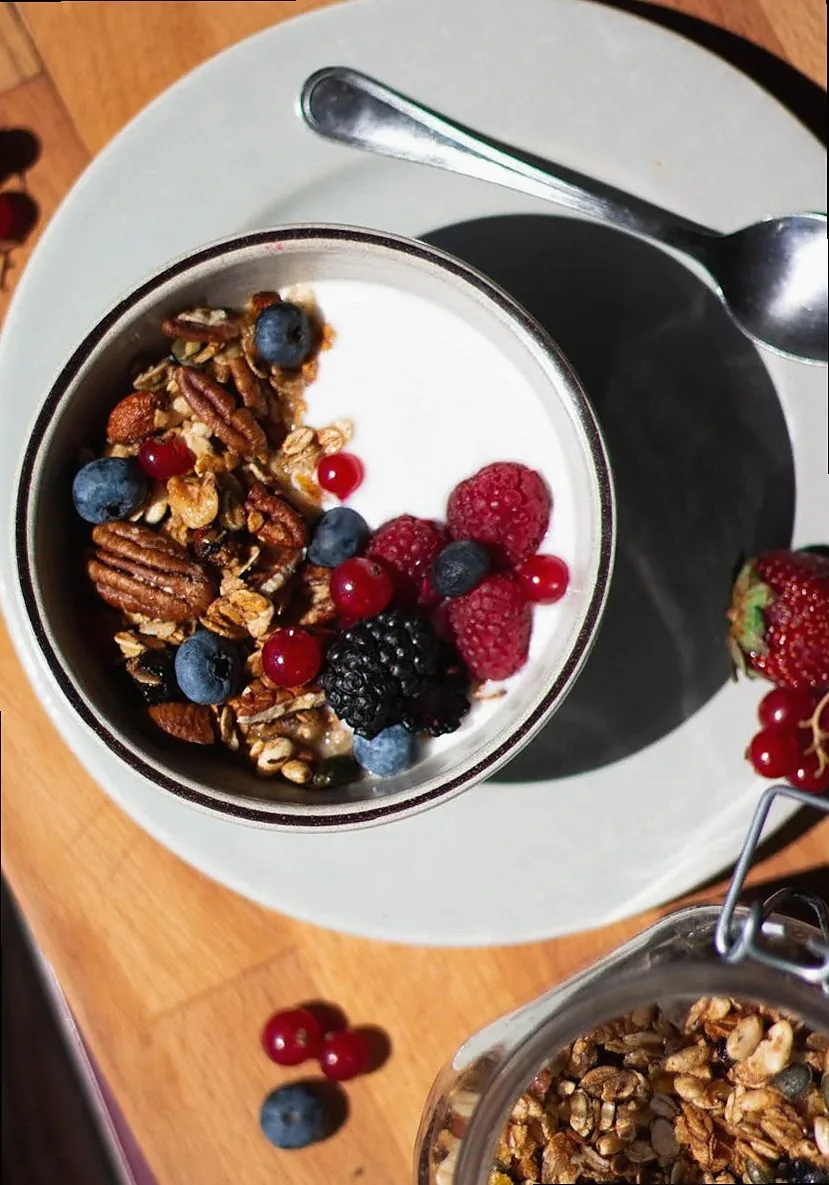
Haruki Nishimura trained as a pastry chef at the Yokohama Grand Pacific Hotel, where he spent seven years working the breakfast and patisserie sections. In 2017 he began experimenting with granola in his Setagaya apartment, driven by a specific frustration: every commercial granola he tasted was over-sweetened and under-roasted. He founded Cedar Vaultline in 2018 after selling out 30 bags at a local farmers market. Outside the kitchen, he collects mid-century Japanese ceramics and walks the Miura Peninsula coast most Sunday mornings before the oven goes on.